Laboratory Services
• Micro Biological Analysis •
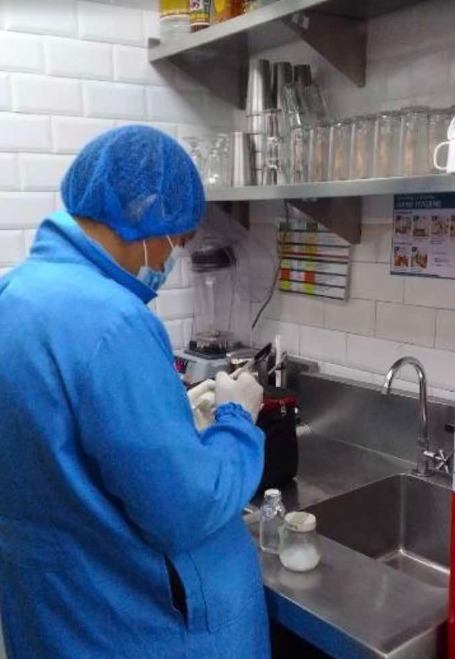
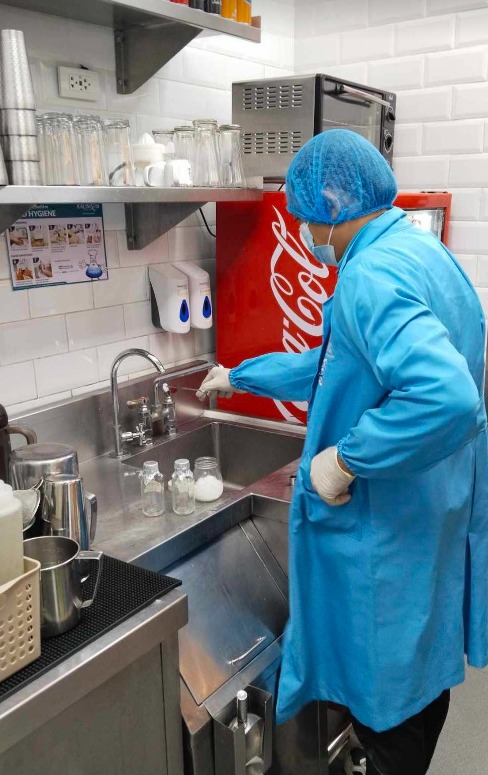
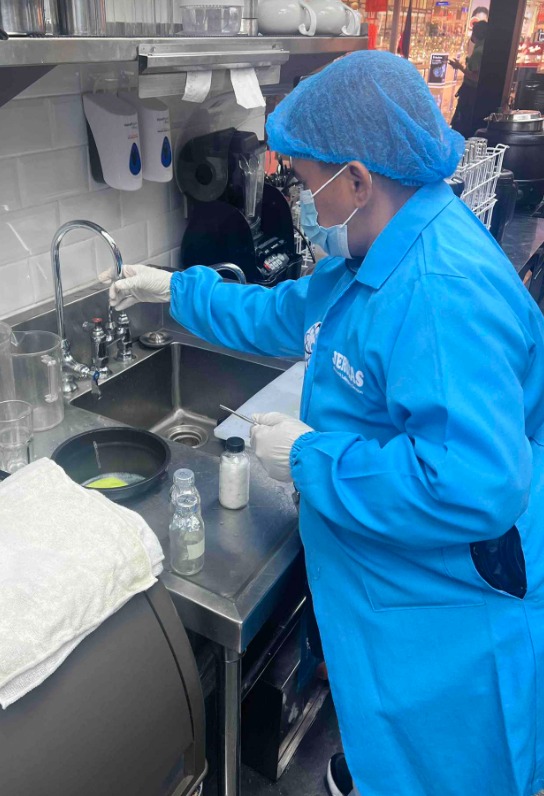
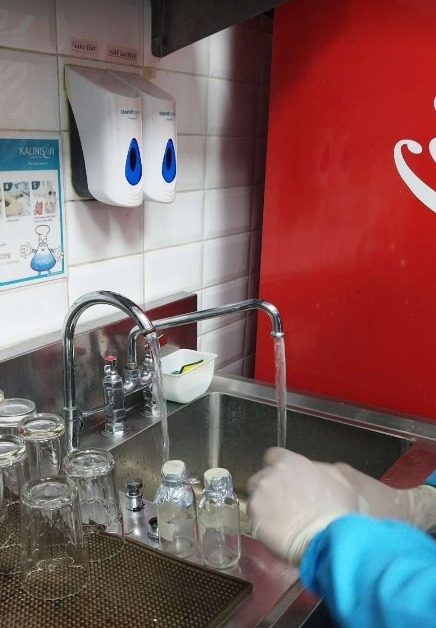
The process of identifying, detecting, and quantifying microorganisms (like bacteria, viruses, fungi, and parasites) in various materials such as food, water, or clinical samples. It's a crucial technique used to assess potential risks to human health, food safety, and environmental quality.
• Physico-chemical Analysis •
Involves measuring its physical and chemical properties to assess its quality. This analysis includes parameters like temperature, pH, conductivity, turbidity, total dissolved solids (TDS), total suspended solids (TSS), and the presence of various ions and chemicals. These parameters help determine if the water is suitable for drinking, irrigation, or other uses, and can indicate potential sources of pollution.
• Legionella Analysis •
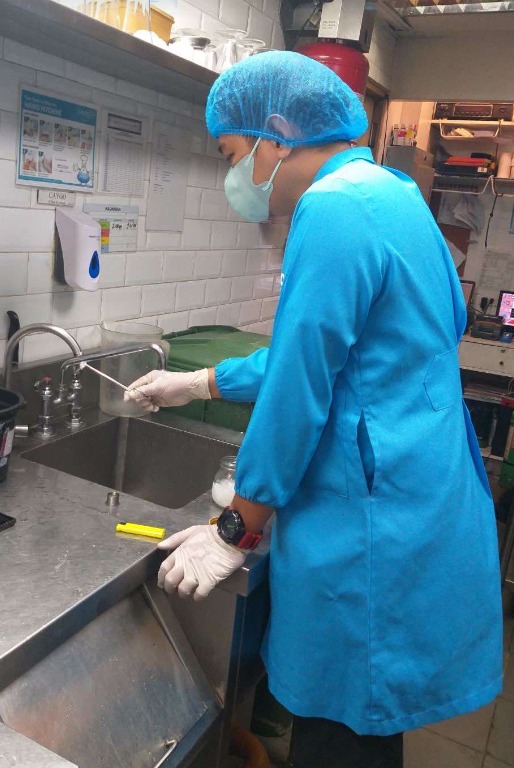
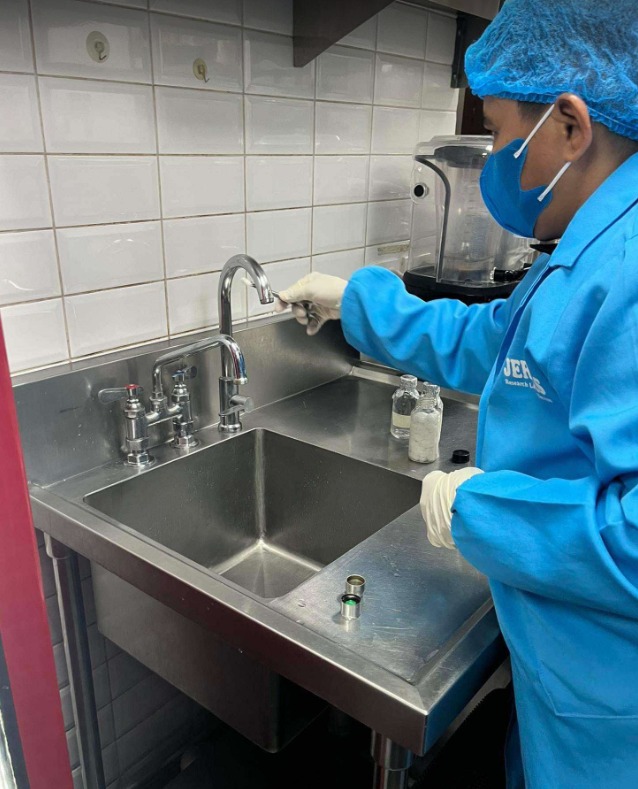
Involves testing for the presence of Legionella bacteria, which can cause Legionnaires' disease. This analysis is crucial for identifying potential health risks associated with contaminated water systems in buildings.
• Metal Analysis •
involves identifying and quantifying the types and amounts of metal elements present. Various techniques, including spectrometry and electrochemical methods.
• Air Analysis •
primarily focuses on identifying and quantifying dissolved gases, volatile organic compounds (VOCs), and other pollutants that may be present in water samples.
• Waste water Analysis •
the process of examining wastewater samples to identify and quantify the presence of various contaminants, ensuring it's safe for the environment and public health. This involves physical, chemical, and biological testing to assess the water's quality before treatment and discharge.